
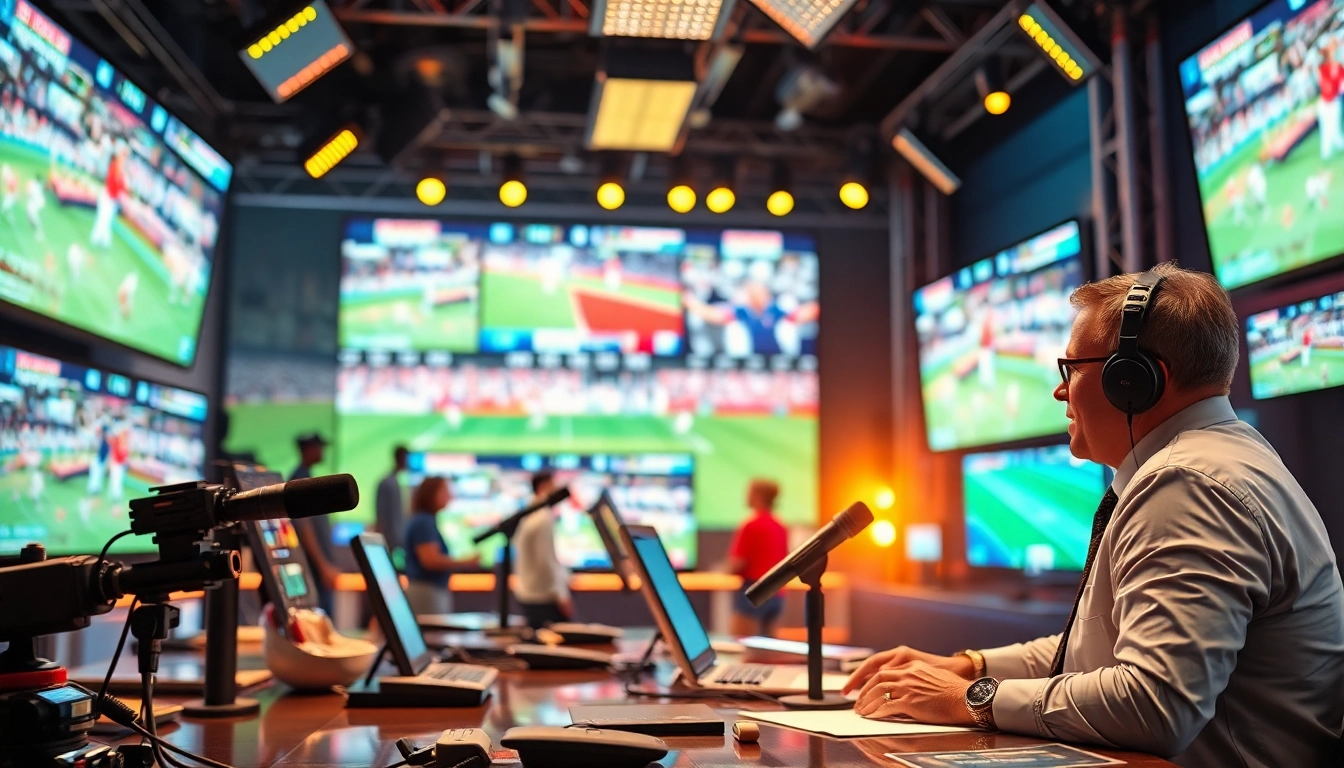
Understanding Sports Broadcasting Basics
Defining Sports Broadcasting
Sports broadcasting refers to the distribution of sports events and related content to audiences via various media channels. This encompasses television, radio, online streaming services, and social media platforms. The goal is to provide fans with real-time coverage, analysis, and behind-the-scenes insights that amplify the excitement and engagement around sports. With the proliferation of digital media, the landscape of Sports Broadcasting has dramatically evolved, offering more ways for fans to connect with their favorite teams and sports.
The Evolution of Sports Broadcasting
From the first radio broadcasts of games in the early 20th century to today’s immersive streaming experiences, Sports Broadcasting has undergone significant transformations. Initially, radio brought sports into the living rooms of millions, providing play-by-play coverage that captured the essence of live events. The advent of television in the 1950s propelled Sports Broadcasting to new heights, allowing viewers to experience games visually. Today, advancements in technology, including HD video, drones for aerial shots, and augmented reality, continue to shape how sports are presented and consumed, catering to an audience that demands immediate access to content. For more in-depth coverage, visit Sports Broadcasting.
Importance of Audience Engagement
Engaging audiences is paramount in Sports Broadcasting. A loyal fan base not only tunes in for live games but also interacts with content through social media, blogs, and forums. Audience engagement involves understanding the preferences and behaviors of fans, including what type of content they value most—be it real-time updates, highlights, or comprehensive analyses. Broadcasting companies rely on data analytics to tailor their offerings and increase viewer interaction, creating a more vibrant community around the sports they cover.
Techniques for Effective Sports Broadcasting
Choosing the Right Equipment
The backbone of any successful sports broadcast is high-quality equipment. This includes cameras, microphones, and streaming technology to provide crystal-clear audio and visually dynamic footage. Broadcasters often invest in multi-camera setups to capture various angles, engaging graphics for on-screen statistics, and reliable editing software to enhance the narrative. Live broadcasting necessitates redundancy in equipment to mitigate failures—having backup systems in place can mean the difference between a smooth broadcast and a catastrophic failure.
Tips for Dynamic Commentary
A compelling commentary can elevate sports broadcasting by adding depth and personality. Commentators should aim for a balance between factual analysis and engaging storytelling. Using vivid language to describe pivotal moments, while maintaining an energetic tone that reflects the atmosphere of the event, can keep audiences hooked. It’s also essential to build rapport with co-commentators, allowing for a fluid conversational style that invites viewer participation and enhances the overall viewing experience.
Creating Compelling Visuals
Visual storytelling is critical in Sports Broadcasting. Graphics, overlays, and real-time statistics enrich the viewer experience, allowing fans to understand the context of the game instantaneously. High-quality visual effects should complement the live action without overwhelming it. Techniques such as slow motion replays, player highlights, and strategic camera placements can provide viewers with a deeper understanding of the sport, while clever transitions and branding create a cohesive viewing experience.
Challenges in Sports Broadcasting
Handling Technical Difficulties
No sports broadcast is immune to technical issues, whether it’s equipment failure, transmission loss, or internet connectivity problems. Preparation is critical; broadcasters should conduct thorough pre-event tests and have contingency plans in place. This could mean using multiple feed sources or having backup equipment on standby. Training staff to respond swiftly to technical issues is also paramount, ensuring that any glitches are resolved before they can disrupt the viewer experience.
Managing Tight Schedules
Sports Broadcasting operates on strict timelines, especially for live events. Coordinating schedules with talent, crew, and production teams can be a complex task. Detailed planning and constant communication are necessary to ensure that every element of the production is executed flawlessly, from pre-game analyses to post-game coverage. Adopting project management tools and clear workflows can aid in maintaining organization and meeting deadlines, critical factors in live broadcasting scenarios.
Addressing Audience Feedback
In an age of instant feedback, audience responses can span from praise to criticism within moments of a broadcast. Understanding and respecting viewer feedback is vital for any broadcasting organization. Creating channels for feedback, such as social media platforms and post-event surveys, can inform future productions. Acknowledging constructive criticism and incorporating suggestions into future broadcasts can enhance audience loyalty and improve overall viewing satisfaction.
Best Practices in Sports Broadcasting
Leveraging Social Media for Engagement
Social media platforms serve as excellent tools for engaging audiences during and after live broadcasts. Broadcasters can share content in real-time, including highlights, behind-the-scenes footage, and fan interactions. Encouraging viewers to participate in discussions, vote on plays of the game, or share their opinions fosters a community atmosphere. Furthermore, analyzing social media metrics helps broadcasters understand audience preferences, guiding future content strategies.
Collaborating with Experts and Analysts
Bringing in industry experts and analysts can add significant value to sports broadcasts. Their insights and detailed analyses can enrich the narrative, provide depth to discussions, and enhance viewer understanding of intricate game strategies. This collaboration can take various forms, including interviews, guest appearances, or regular segments that break down games from different angles. It helps maintain high content quality, reinforcing the broadcast’s authority.
Ensuring Compliance with Regulations
Broadcasting regulations vary across regions and are essential to ensuring that all rights are respected. Compliance with copyright laws, licensing agreements, and broadcasting standards must be prioritized. This includes obtaining necessary permissions for music, video content, and even player images. Understanding the legal landscape can prevent costly lawsuits and ensure that the broadcast remains uninterrupted, maintaining its integrity and public trust.
The Future of Sports Broadcasting
Emerging Technologies to Watch
As technology continues to evolve, it is poised to revolutionize Sports Broadcasting. Virtual and augmented reality are on the horizon, offering spectators immersive experiences that enable them to explore events from various perspectives. Artificial intelligence promises to streamline production processes, from automating highlights to improving viewer targeting through data analysis. Keeping abreast of these technologies will help broadcasters remain competitive and innovate their offerings.
Trends in Audience Viewing Habits
The way audiences consume sports content is changing. More viewers are opting for streaming services over traditional cable subscriptions, seeking flexibility in how they watch and interact with sports. Mobile streaming is also on the rise, allowing fans to watch games on-the-go. Understanding these trends enables broadcasters to adapt their strategies, prioritizing multi-platform availability and on-demand content that fits the lifestyle of modern viewers.
The Rise of Interactive Broadcasting
Interactive broadcasting is becoming increasingly popular, offering audiences opportunities to engage directly with the content. Features such as live polling, gamification elements, and real-time analytics foster a participatory environment where viewers can influence the experience. This trend is anticipated to grow as technology becomes more sophisticated, providing personalized viewing options that cater to individual preferences, ultimately enhancing satisfaction and retention.
Frequently Asked Questions
1. What is Sports Broadcasting?
Sports Broadcasting is the dissemination of sports events through television, radio, and online platforms, providing live coverage, analyses, and audience engagement.
2. How has Sports Broadcasting evolved?
It has evolved from radio broadcasts in the early 20th century to TV and now to digital streaming and interactive experiences, adapting to technology and audience needs.
3. What are the key elements of effective Sports Broadcasting?
Effective Sports Broadcasting includes high-quality equipment, dynamic commentary, compelling visuals, audience engagement strategies, and adherence to regulations.
4. How can broadcasters engage their audience?
Broadcasters can engage audiences through social media interactions, live polls, expert analyses, and creating compelling content that resonates with viewer interests.
5. What are the future trends in Sports Broadcasting?
Future trends include emerging technologies like VR, changes in audience viewing habits with streaming, and the growth of interactive broadcasting experiences.